

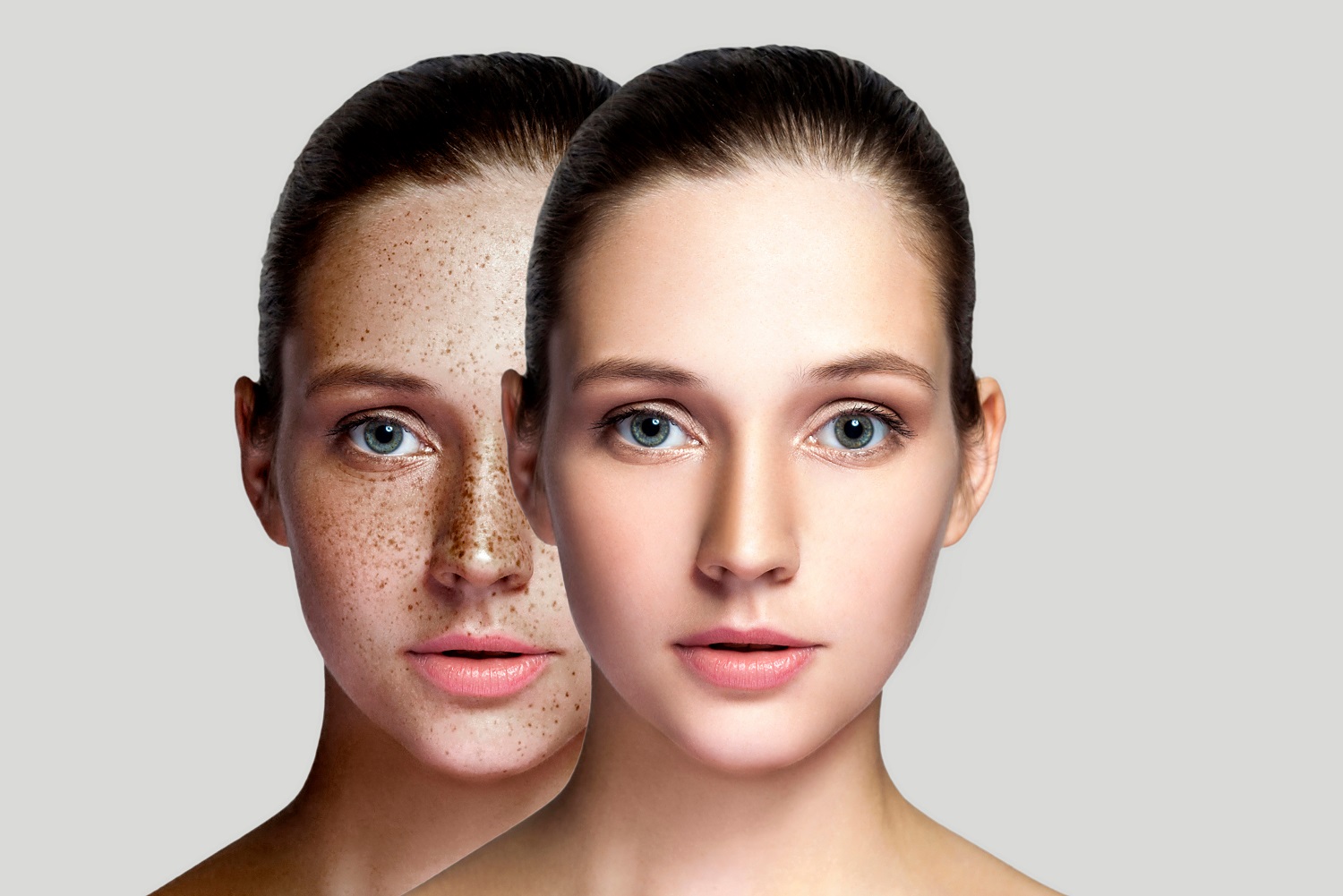
Hyperpigmentation develops when the excess melanin causes a darkened appearance to the skin in a form of brown spots and melasma. Pigmentation can occur in any size and shape and it can affect people of any colour but is most common in deviated and black skin colours as the skin already has a high melanin content.
The purpose of pigment cells or melanin is to protect the DNA of the skin by absorbing the sun's UV rays. However, too much sun exposure and trauma to the skin such as bruises, burns, rashes, acne can cause the skin to produce more melanin than usual and therefore lead to darker areas of skin known as pigmentation.
What types of pigmentation are there?
● Age spots which are also known as Solar Lentigines. These appear as either dark brown or tan like spots over the skin caused by sun exposure and are commonly found on the face and hands
● Melasma is known to many as the mask of pregnancy and can appear in large patches of darker skin over the face and is generally found in pregnant or breastfeeding women
● Post Inflammatory Pigmentation (PIH) can be caused by an injury to the skin and can really be found anywhere on the body. This readily occurs with skin conditions such as acne and eczema
Melasma in pregnancy
More research is needed to identify the true causes of melasma in pregnancy but hormonal changes definitely play the largest part.
In most cases, melasma will resolve on its own, when pregnancy and breastfeeding comes to an end or the contraceptive pill is started again. However, this is not always the case which is why treatment is often needed.
What is the solution?
The treatment for hyperpigmentation can be in the form of in clinic treatments and/or home care. Laser used at the clinic sutter the pigment cells whilst chemical peels and medical-grade skincare products exfoliate the pigmented cells and suppress the melanin production in the skin. Maintenance is required in most cases in the form of daily sun protection and melanin inhibitory ingredients.
Ingredients are known to improve the appearance of hyperpigmentation:
● Retinol
● Vitamin C
● Alfa-hydroxy acids (AHA) such as glycolic acid
● Kojic and citric acid
● Alpha-Arbutin
● Hydroquinone
In-clinic treatments which are recommended to tackle all forms of pigmentation are:
● Laser treatments
● Chemical peels