

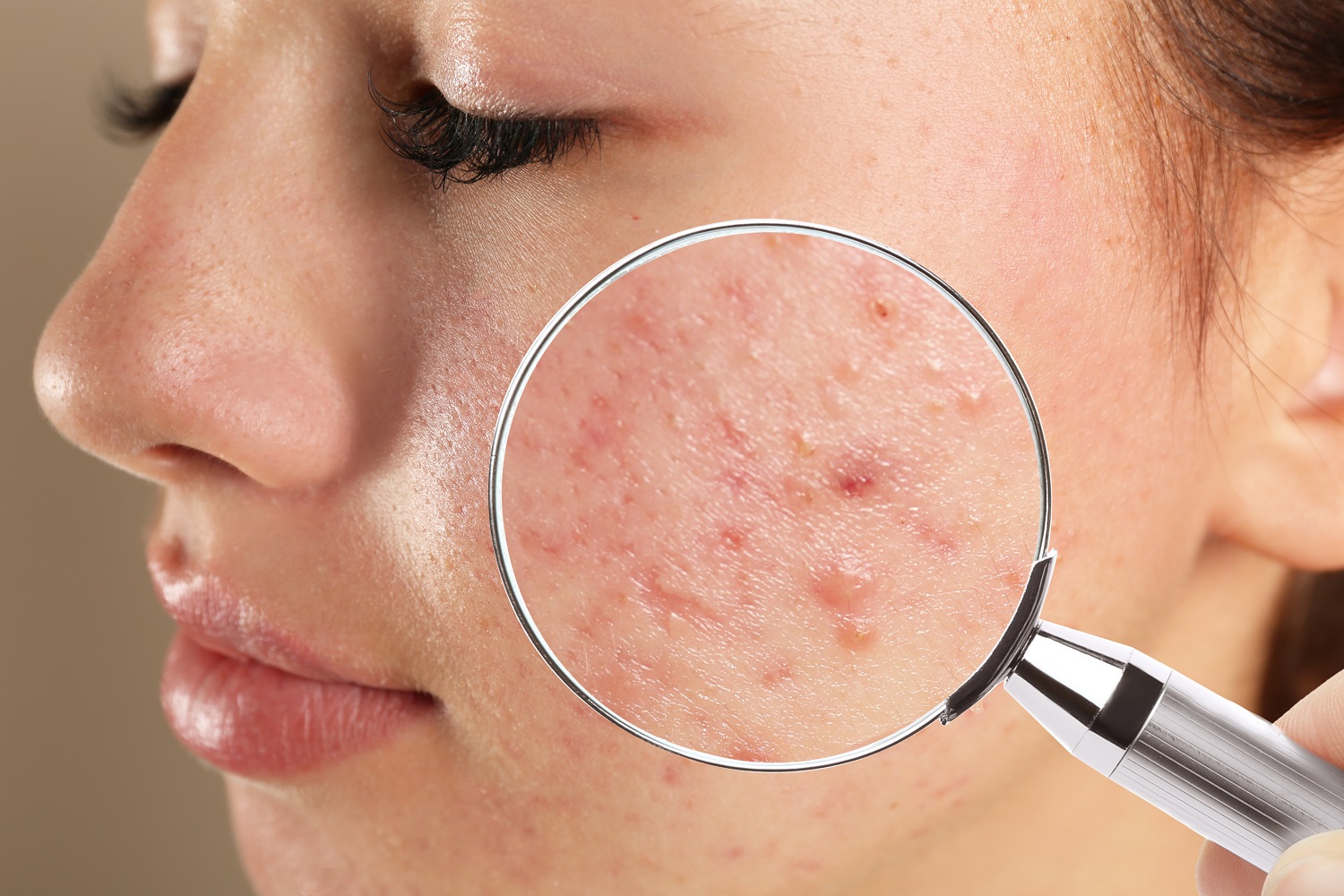
Acne is a common skin condition that affects many people at some point in their lives. Although it is mostly seen in teenagers and younger adults, it can continue into adult life and it can also appear as an adult even if it has not been present as a teenager.
Acne skins can be sensitive, red, painful and hot to touch and commonly appear on the face, back. shoulders and chest area. It can be made up of all or some of the following types of spots:
● Blackheads – generally a black small bump, commonly found around the nose and chin.
● Whiteheads (milia) – have a similar appearance to blackheads but are firmer and will not empty when squeezed.
● Papules – small red bumps that can feel tender to touch.
● Pustules – similar to papules but have a white center caused by the buildup of pus.
● Nodules – large hard lumps that appear under the skin that can be painful.
● Cysts – the most severe type of spot, large pus filled lumps, look similar to boils and cause the greatest risk of permanent scarring.
INSERT TREATMENTS OFFERED TO ASSIST WITH ACNE
What causes acne?
The main causes of acne is largely due to the oil glands (sebaceous glands) in the skin overproducing sebum (oil), creating a greasy build up of oil and bacteria which blocks up the pores. The hair follicles also get clogged up by the excess oil production and a buildup of dead skin cells.
Certain medications, diet and stress are also known to potentially trigger or aggravate acne. It can sometimes be attributed to being hereditary so if your parents both had acne then it is likely that you may also experience this skin condition.
Fluctuations of estrogen, progesterone and testosterone can result in more sebum production and trigger hormonal acne in any age groups. In women, these fluctuations happen mostly during menstruation cycls, pregnancy and menopause. Hormonal imbalances in adults that have underlying health issues could also trigger hormonal acne.
Hormonal acne
The characteristics of a hormonal acne skin will consist of blackheads, pimples and cysts. The skin can be inflamed, itchy and there is usually an overproduction of oil. Whilst acne in puberty typically appears in the T-zone area, adult hormonal mostly affect the lower part of the face including the cheeks, chin and jawline.
Why do we get adult acne?
There is strong evidence to suggest that common factors that directly contribute to acne includes excess oil production, pores becoming blocked, bacteria and inflammation. However, there are also some indirect influences that can have an effect on the direct factors.
During adulthood, hormones, stress, the menstrual cycle and the menopause in women can all affect the oil production in the skin. Hair care and makeup products along with medication can also make skin blemishes worse by clogging pores. Physical stresses such as lack of sleep, illness, dehydration and extreme weather can all trigger hormone changes thus affecting the skin and potentially causing this adult acne. Pregnancy is another well known cause of adult acne.
The treatment of acne
There are effective treatments to combat this unwanted skin condition. Treatments can involve topical creams and oral medications depending on the severity. These include retinoids, antibiotics, oral contraceptive pill, benzoyl peroxide and isotretinoin, to name a few. However, in most cases a good skin routine and regular treatments such as facials and lasers are be just as effective as oral medications without unwanted side effects.